Control the section
The tool must grip, cut and place the expected piece without exceeding carrier capacity at radius.
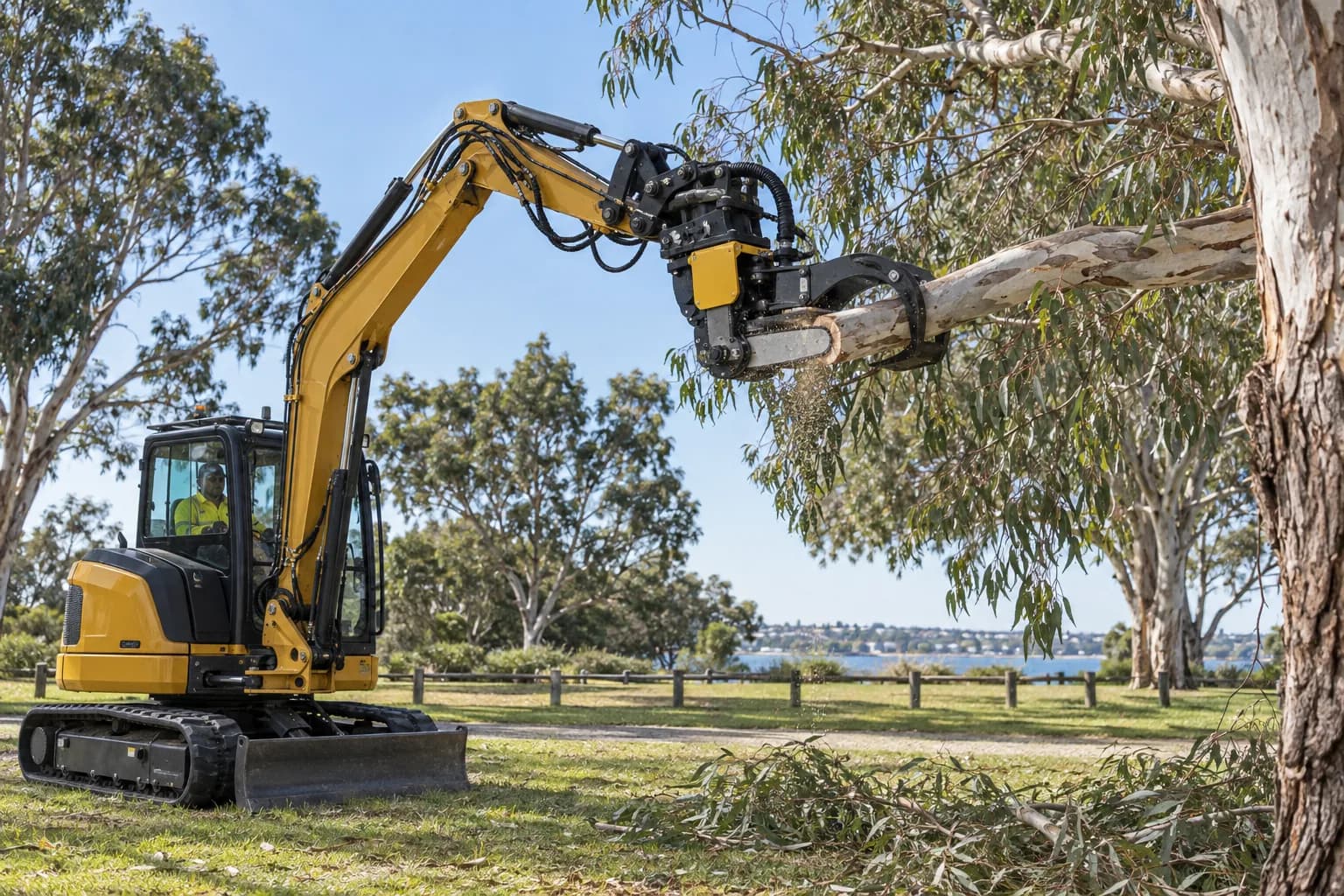
I2 · Controlled removal · pruning · storm response
Choose mechanised tree attachments for controlled cutting, pruning and material handling while reducing exposure beneath suspended sections.
The commercial outcome
The tool must grip, cut and place the expected piece without exceeding carrier capacity at radius.
Mechanisation should remove people from drop zones and climbing tasks, not accelerate cutting around the same manual crew.
Branches, logs and stumps remain part of the job after the controlled cut is complete.
An excavator may reach a limb that it cannot safely hold. Build the working envelope from the carrier lift chart at the actual radius and over the relevant sector, then subtract hitch, bracket, rotator, attachment and retained-section mass. Include dynamic movement and the less favourable positions used to place material. The useful reach is where the machine remains stable and controllable, not the furthest point visible from the cab.
Grapple saws need the grip, saw and rotation functions to work in a predictable sequence. Confirm circuit count, flow, pressure, return restrictions and control logic before purchase. A switching arrangement that looks acceptable on a quotation can slow every cycle or prevent the operator from maintaining grip while repositioning. Demonstrate the complete installation on the intended carrier with representative timber and record the configuration used.
The commercial case for a grapple saw or pruner is reduced exposure and a repeatable production method. Define who establishes the exclusion zone, how the operator communicates, where sections are placed and when the ground crew enters. Camera coverage, guarding, emergency lowering and recovery of a disabled attachment belong in the plan. Mechanisation loses its safety value if people remain beneath work to guide every piece manually.
Material handling commonly becomes the constraint. A saw can create sections faster than the crew can chip, stack or load them, particularly in tight urban sites. Pair the cutting carrier with a grab, loader or planned landing area and measure completed trees or reopened work zones rather than saw cycles. The result identifies whether the method saves a climber, a ground worker, a truck movement or simply shifts waiting time downstream.
Mechanical pruning, corridor maintenance, council programs and storm response can smooth the project-based revenue of removal work. Each stream needs a different finish and documentation standard. Pruning contracts may specify profile and cut quality; storm work rewards controlled access and rapid material handling; stump grinding completes the urban job with less spoil and reinstatement than excavation. Treat them as separate production services rather than one generic machine rate.
Track section size, cycles, setup time, fuel, chain or blade consumption, tooth wear and crew hours. Keep quotation templates for controlled removal, pruning and stump completion so inclusions remain visible. The purchase case should show annual hours across all suitable work, but the tender rate for each service must retain its own risks, supporting crew and disposal assumptions. High utilisation is valuable only when every hour is priced for the method actually delivered.
Build the purchase case from completed jobs, not maximum cuts. Record the number and approximate mass of controlled sections, working radius, setup and exclusion-zone time, crew size, supporting plant, disposal movements, chain or blade use, fuel and total time until the site is reopened. Compare that evidence with the previous climbing, crane or manual method on similar trees. The value may appear as fewer people exposed beneath work, less traffic-control time, a smaller crane requirement or more jobs completed each week rather than a dramatic saw-cycle gain. Keep urban removals, repeat pruning, storm response and utility work as separate service lines because their crew, access, documentation and material-handling costs are different even when the same attachment performs the cut.
Continue the decision
Other industries
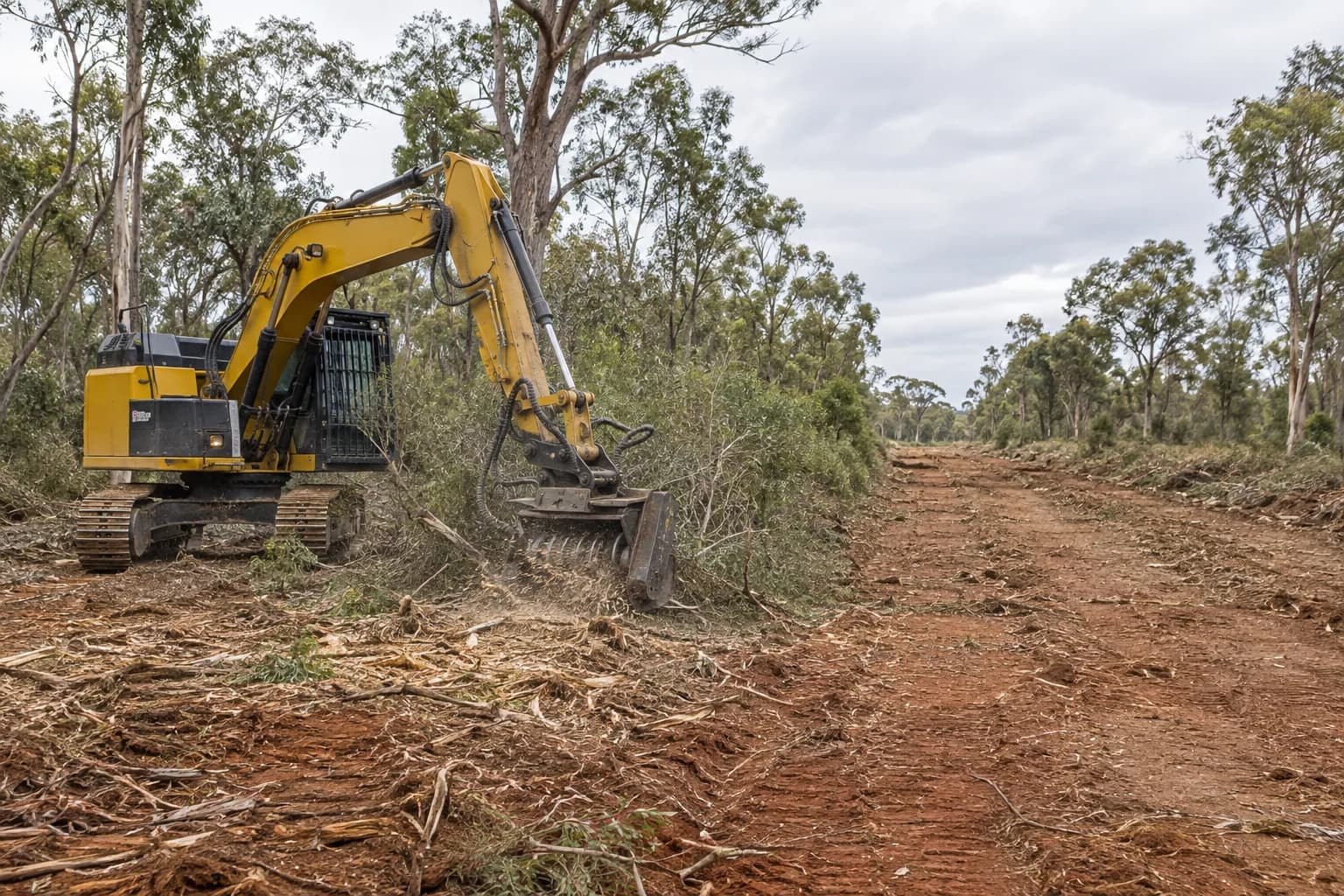 I1Industry profileCivil constructionOpen industry guide →
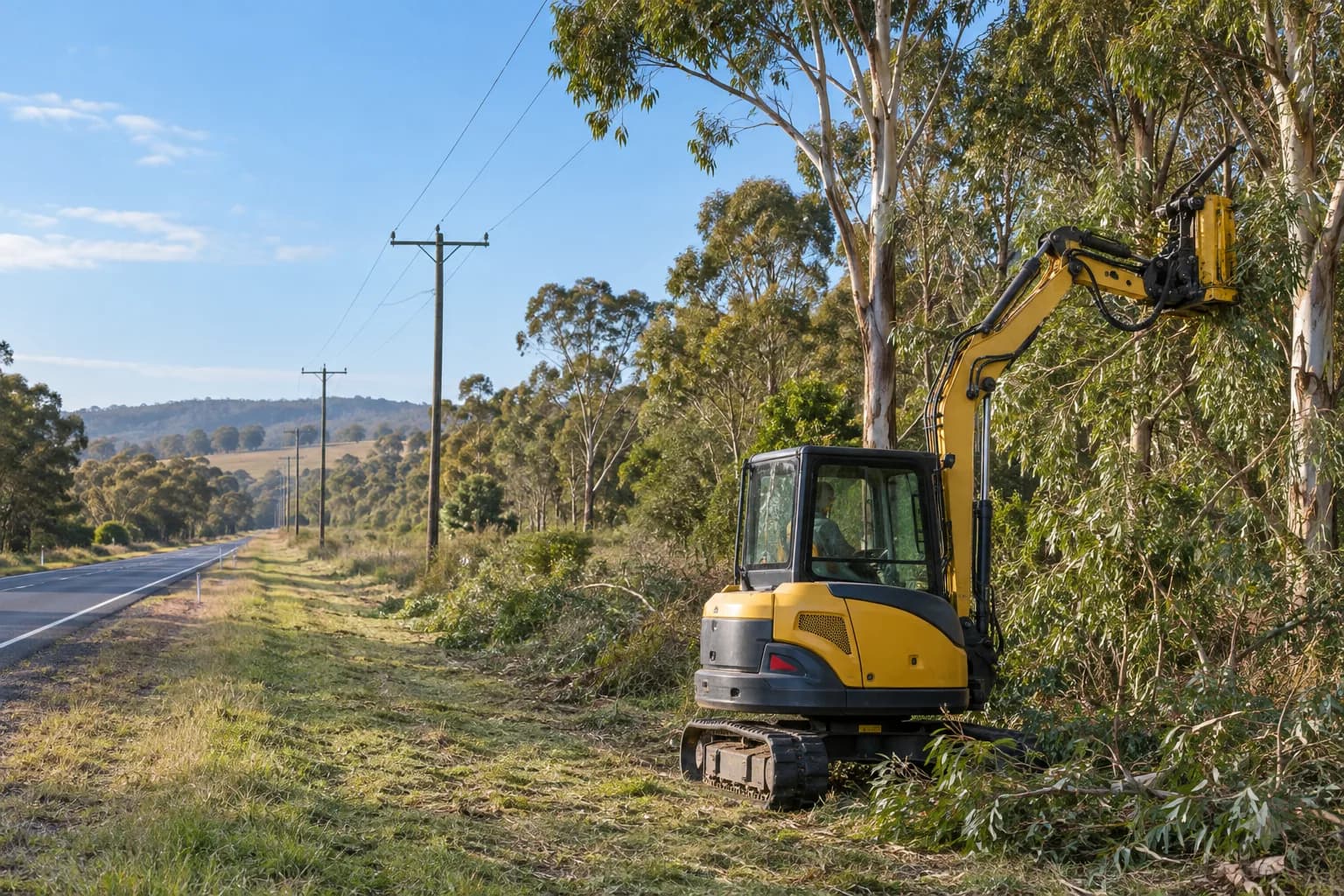 I3Industry profileCouncilsOpen industry guide →
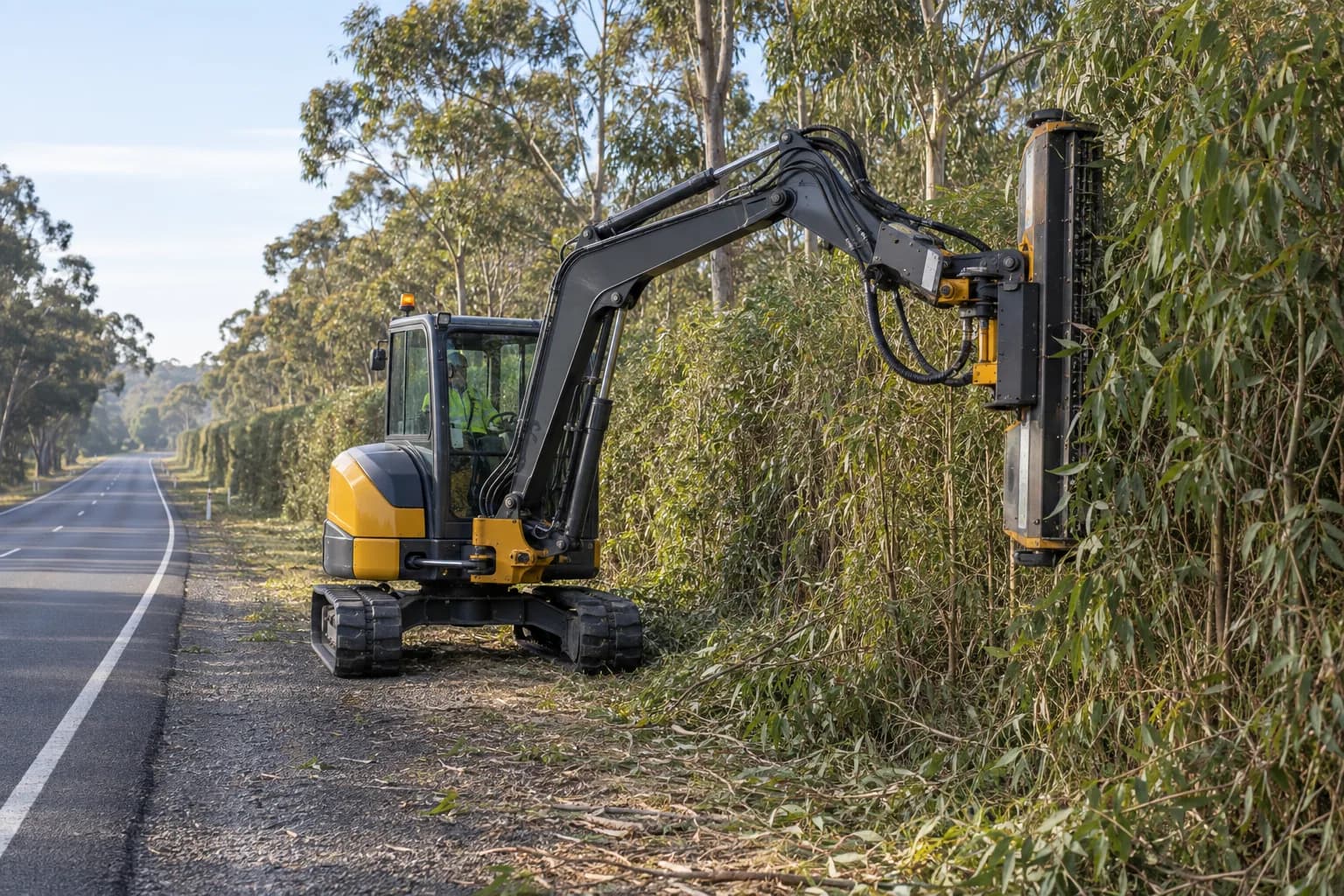 I4Industry profileUtilitiesOpen industry guide →
 I5Industry profileMining and energyOpen industry guide →
 I6Industry profileAgricultureOpen industry guide →